
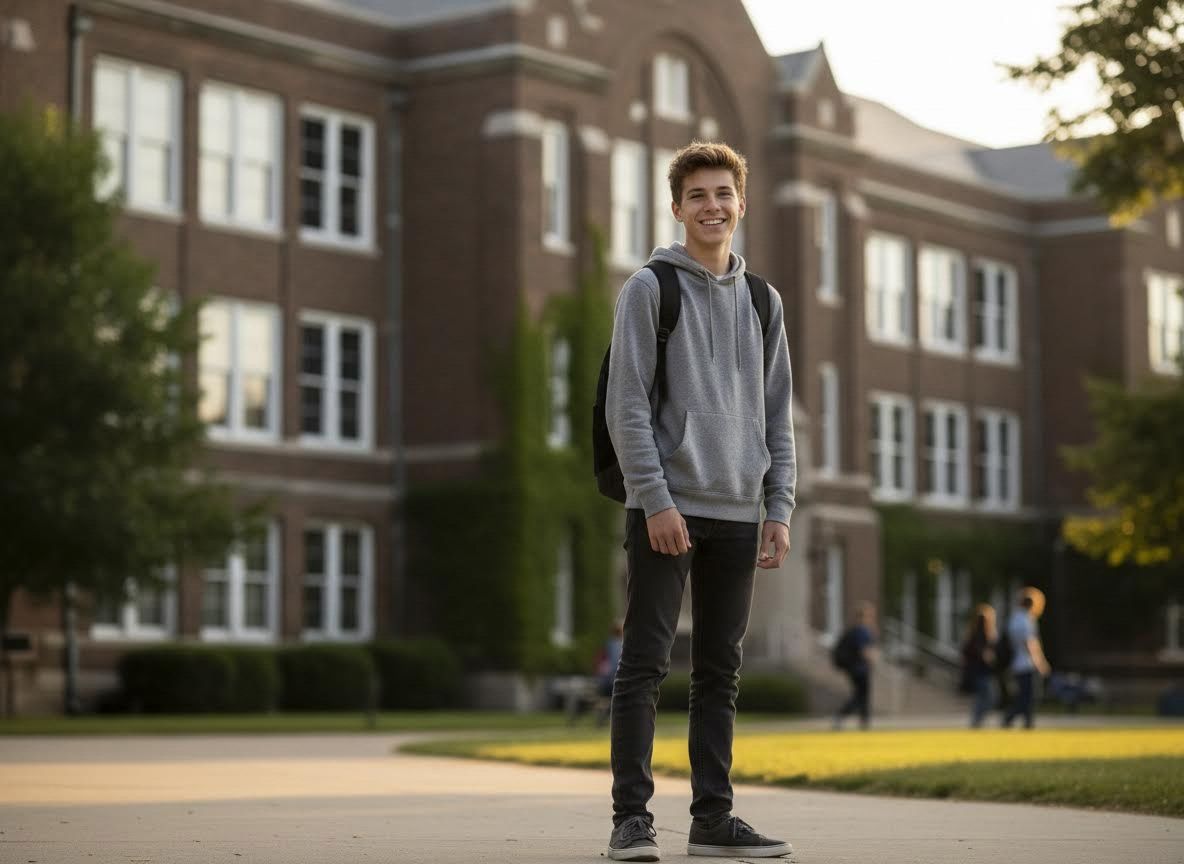
For many young people, the adolescent years bring exciting growth, new friendships, and a developing sense of self. However, for some, this period is marked by the quiet struggle of social anxiety, which can make everyday interactions feel overwhelming and isolate them from the very connections they crave. At The Anxiety Center at Renew Counseling, we understand the unique challenges facing youth today and are dedicated to providing compassionate support to help them navigate these complexities and thrive.

Understanding Social Anxiety in Adolescence
Social anxiety, sometimes called social phobia, is far more than just shyness; it's an intense fear of social situations, often driven by a worry of being judged, scrutinized, or humiliated by others. This fear can manifest in many ways, from physical symptoms like sweating, trembling, or a racing heart, to behavioral patterns like avoiding eye contact or withdrawing from group activities. For a teenager, these feelings can be particularly acute as they navigate the already complex social landscape of school, extracurriculars, and developing identities. It's crucial for parents and educators to recognize these signs, understanding that a teen who appears withdrawn or reluctant to participate might be battling an invisible, internal struggle.
The Rippling Effects on Daily Life in Olathe
The impact of social anxiety on adolescents in Olathe can be significant, affecting various aspects of their lives. Academically, fear of speaking in class, presenting projects, or even asking a question can hinder their learning and performance. Socially, it can prevent them from forming close friendships, attending school events, or participating in team sports, leading to feelings of loneliness and isolation. This withdrawal often means missing out on vital developmental experiences that build confidence and social skills. When anxiety dictates a teenager's choices, their world can shrink, limiting their potential and overall well-being during a critical period of growth.

Empowering Teens with Effective Strategies
The good news is that social anxiety is highly treatable, and teenagers are incredibly resilient and capable of learning powerful coping mechanisms. Effective approaches in our program involve Dialectical Behavior Therapy Skills (DBT-S), DNA-V (ACT for adolescents), and exposure therapy, which help teens identify and challenge negative thought patterns and gradually engage in feared social situations in a supportive environment. Developing skills like assertive communication, mindfulness, and relaxation techniques can equip them with tools to manage anxiety in the moment. Parental involvement and understanding are also key, fostering an environment where open communication about feelings is encouraged and progress is celebrated, no matter how small.
Pathways to Lasting Change and Confidence
For some young people, a more structured and comprehensive level of care is beneficial. An intensive outpatient program or an Adolescent IOP can provide the focused, consistent support needed to make significant breakthroughs. These programs offer a safe and therapeutic environment where teens can engage in individual, group, and family therapy sessions, learning and practicing skills with peers who understand their experiences. This structured approach helps teens build confidence, develop social competencies, and create a solid foundation for managing anxiety long-term. Such programs ensure that youth in Olathe and surrounding areas have access to robust support tailored to their specific needs, fostering empowerment and resilience.
Navigating social anxiety is a journey, not a destination, but with the right support, adolescents can discover their inherent strength and learn to connect with the world around them more authentically. If you are looking for ways to empower your teenager to build resilience and thrive socially, The Anxiety Center at Renew Counseling is here to partner with you. Contact us today to learn more about our specialized programs, or schedule an appointment for a free assessment. Let's work together to help your teen find their voice.