
Eating Disorder Services
Clinical Support
Registered and licensed dietitians coordinate nutrient intake and physical activity. Dietitians provide education in nutrition, metabolism, restaurant eating, cooking, grocery shopping and disordered eating behaviors such as food fears, rituals, and calorie counting.
There are many other eating disorders that do not necessarily fall into the categories below. For example, eating a normal quantity of food and then purging is an eating disorder. If food seems to dominate your life we encourage you to seek help.
Contact us today and begin the journey towards personal healing.
How We Can Help
Our experienced counselors are equipped to assist you in tackling a variety of relationship issues, including:
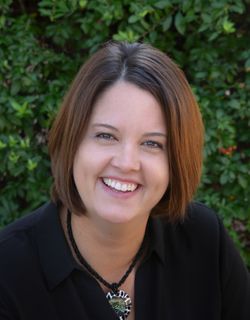
Jami Soukup, MA, LPC, RD, CDWF

Maria Moylan LCP
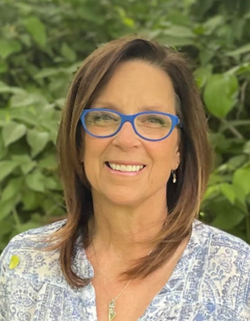
Julie McClean CEDRD, RDN, LD

Eating Disorders
There several different types of eating disorders but the most common are: Bulimia, Binge Eating Disorder, Anorexia and Avoidant or Restrictive Food Intake Disorder.
Common eating disorder signs include:
Drastic or sudden changes in eating habits
Drastic fluctuations of an individual's weight
Excessive Diet
Rigid food rules
Becoming completely overtaken or preoccupied with food
Having consistently negative feelings about your body
Extreme exercise up to the point of exhaustion
Lack of emotion or feeling depressed
Binge Eating
Purging
Bulimia
Bulimia tends to develop during adolescence and early adulthood. It is an eating disorder in which large quantities are consumed within a short period. This overeating is often followed by self-induced vomiting, purging or fasting. People with Bulimia may hold the belief that popularity and self-esteem are determined by weight and body shape. Bulimia Nervosa is a serious potentially life-threatening eating disorder. If you think you may have it please seek help immediately. If you live in Australia, you may find Hypnotherapy Melbourne to be a successful form of treatment to build a healthy relationship with food.
Statistics on Bulimia:
90-95% are female
Onset = ages 16-19
Lifetime Prevalence
Females 1.1%
College Women 6-8%
Chronic, if left untreated
Anorexia
Anorexia tends to affect more women than men and tends to develop during adolescence or early adulthood. People with anorexia tend to view themselves as being overweight even if they are dangerously underweight. They tend to monitor their weight constantly, severely restrict their calories and avoid eating certain types of foods. Anorexia may cause a relentless pursuit of thinness in individuals and unwillingness to maintain a healthy weight. Anorexia can be classified into two subtypes: the restricting type and the binge eating type. Anorexia can be very damaging to the body.
Statistics on Anorexia:
90-95% are female
Onset - age 13-15
Chronic
Sources:
Disordered Eating
Often times when we hear the term “disordered eating” we assume it’s just another term for an eating disorder, however, these terms are not interchangeable. When someone is suffering from an eating disorder, food intake and weight issues will consume that individuals’ thoughts and actions, taking over the mind in a sense, and making it absolutely impossible for that individual to focus on anything else, in all actuality it is a mental illness. Eating disorders can repeatedly cause multiple, serious physical problems and in severe cases can become life-threatening.
However, disordered eating is something that is much more common and its symptoms are a lot milder and occur less frequently than those within an eating disorder. Disordered eating is defined as: “an unhealthy relationship with food; whereas an eating disorder is considered a psychiatric illness that is much more complex”(Rogers 2013). Changes in eating patterns due to temporary stressors such as an athletic event or even an illness would be classified as disordered eating.
Indications of Disordered Eating include:
Restrictive Dieting
Skipping Meals
Binging/ Purging
Diet Pill Abuse
Laxative Abuse
These symptoms are common red flags and demonstrate an unhealthy relationship that the individual has developed with food and his/her eating habits.
A large concern for those with disordered eating is that it can lead to an eating disorder. If you or a loved one may be experiencing disordered eating or unhealthy eating habits please contact Renew for help.
Sources: