
Living with Attention Deficit Hyperactivity Disorder (ADHD) or Obsessive-Compulsive Disorder (OCD) presents unique challenges, but experiencing both simultaneously can feel like a constant, exhausting tug-of-war. At The Anxiety Center, we understand the confusion of navigating a mind that demands absolute order while simultaneously struggling with impulse control and disorganization. This complex co-existence creates a unique paradox where the need for certainty clashes with an inability to maintain focus, leaving many feeling trapped in a cycle of chaos and control.
Chaos and Control: The Confusing Co-existence of ADHD and OCD


The Paradox of Impulsivity and Rigidity
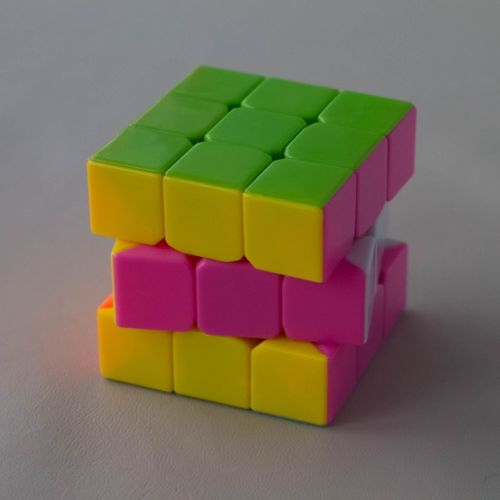
The most disorienting aspect of this comorbidity is the clash between ADHD’s drive for novelty and OCD’s demand for routine. While your ADHD brain might impulsively seek new stimulation or distract you from tasks, your OCD side may react with intense anxiety, demanding rigid adherence to rules to regain a sense of safety. This creates a paralyzing internal conflict where no decision feels right.
The Exhausting Cycle of Compensatory Behaviors
For many of our clients, OCD symptoms actually emerge as a coping mechanism for untreated ADHD. You might develop obsessive checking rituals to compensate for a history of forgetfulness or careless mistakes caused by ADHD. Unfortunately, this compensatory behavior consumes massive amounts of mental energy, leading to severe burnout as you fight to maintain a perfect veneer over a disorganized internal reality.

The Impact on Executive Functioning
Both conditions significantly impair executive function, but they attack it from different angles. ADHD disrupts your ability to prioritize and initiate tasks, while OCD can make you get stuck on details, preventing task completion. When combined, these deficits make daily life feel impossible to manage. We see patients who are incredibly capable yet find themselves unable to move forward due to this friction.

Why Integrated Treatment is Essential
Treating these conditions in isolation often fails because addressing one can inadvertently exacerbate the other. Stimulants for ADHD might increase anxiety, while standard OCD exposure therapy requires a level of focus that ADHD minds struggle to maintain. Effective recovery requires a nuanced, simultaneous approach that respects the interplay between the two, ensuring that gaining control over one does not cause the other to spiral.
Living at the intersection of chaos and control is isolating, but you do not have to navigate it alone. At The Anxiety Center, our Intensive Outpatient Program (IOP) is specifically designed to treat complex co-occurring conditions like ADHD and OCD. We provide the structure and integrated care necessary to quiet the internal battle. Contact us today to learn how we can help you find true balance.